
Stratos replaced a fragmented set of tools with one platform shared across Batibig's subsidiaries, built around how its teams actually work. A senior team owned the delivery from design to go-live, with Claude Code as the production accelerator.
“[Two or three lines taken from the interview.]”
Batibig brings together several building maintenance companies. Each acquisition added tools and ways of working. Customer, order and operational data sat across several systems, and group reporting meant reconciling information from multiple sources.
The group needed one platform to standardize core workflows across subsidiaries, without imposing generic software on its teams and without launching a multi-year project.
.webp)
Commercial, operational and administrative workflows now run in a single environment, with common rules across the group.
The data stack brings the information used for reporting into one shared structure. Leadership reads performance consistently, without manual reconciliation between tools.
Because it was built alongside the ERP, operational workflows and management reporting rest on the same data foundation from day one.
The ERP connects with the specialist tools Batibig chose to keep. Pennylane remains the system for invoicing and financial management.
Commercial, administrative and field teams follow customers, jobs and day-to-day activity in one shared environment. Information is easier to find, and every subsidiary works from the same operating rules.
Consolidated data makes reporting simpler and cuts the time spent reconciling sources. Subsidiary managers and group leadership read planning, suppliers, billing and margins in the same structure.
Batibig now has a common foundation to standardize practices across subsidiaries and bring future companies onto the same platform, without restarting a software project each time.
Batibig and Stratos worked in short decision and delivery cycles. Requirements were reviewed with users, built and tested in the same rhythm.
Scope agreed and the first user journeys validated with Batibig's teams.
The first scope went live and the teams started using it.
Full scope completed, stabilized and documented, with training for the teams.

Claude Code accelerated design, development, testing and documentation, shortening the time between an approved requirement and production code.
Stratos engineers kept ownership of the architecture, technical decisions and quality. That senior control is what made the extra speed safe for a business-critical system.
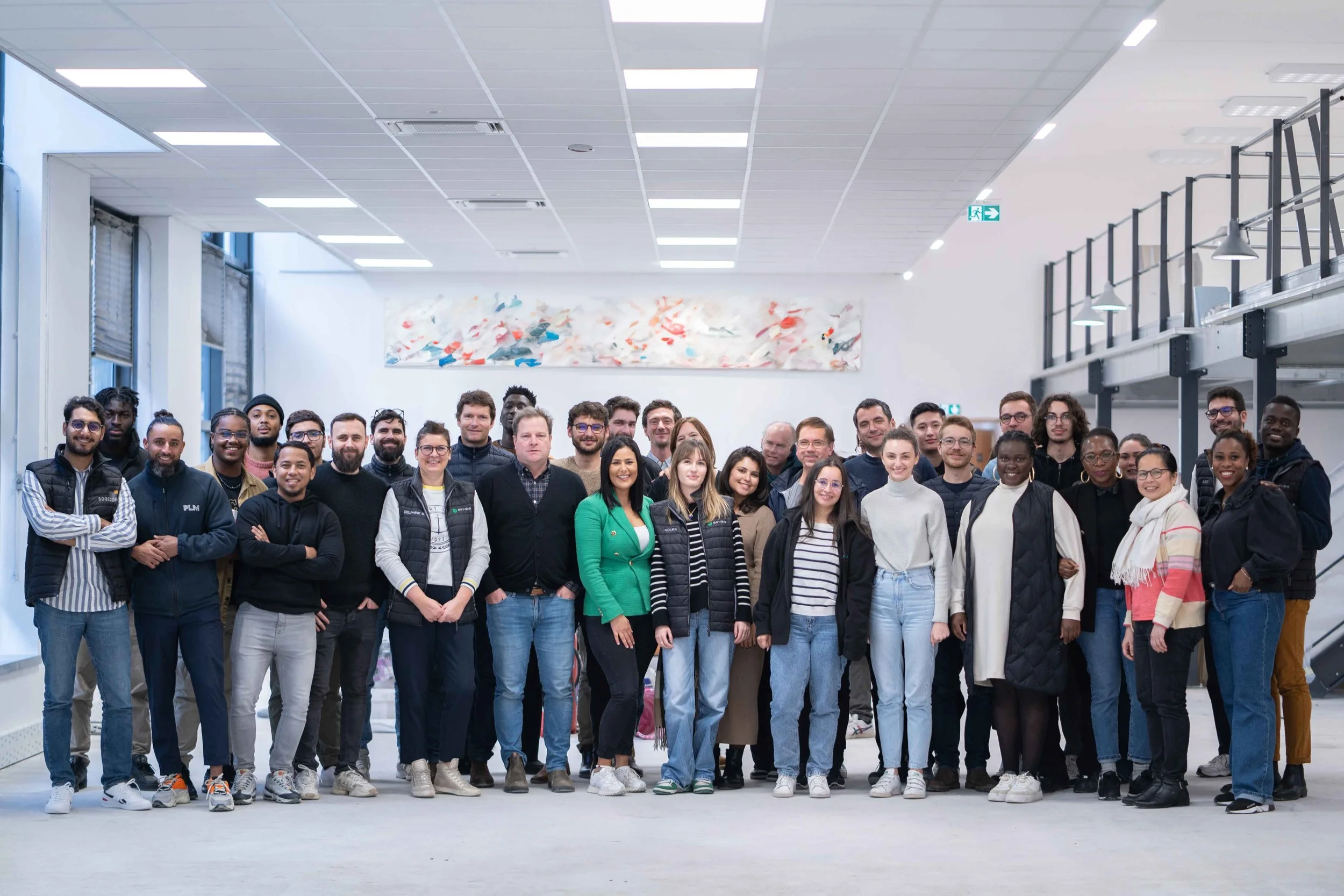
The go-live closed a four-month working cycle with Batibig's teams, celebrated at an afterwork with the people who shaped, built and adopted the new platform.
Stratos designs and delivers business-critical products with senior teams, from initial design through production.
Talk to the Stratos team